Planning for that first day of kindergarten requires knowing exactly when kindergarten starts in your area. While August and September dominate nationally, specific dates vary wildly—some Texas districts begin in early August while New York City schools wait until after Labor Day. That three-week difference matters for vacation planning, childcare transitions, and family schedules.

Beyond the start date, families need to understand kindergarten schedules, hours, and calendar patterns. Half-day versus full-day programs, early release days, and school breaks all shape what kindergarten actually looks like week to week.
This guide covers when does kindergarten start across different regions, explains typical kindergarten hours and schedules, and helps you prepare for what the kindergarten calendar actually looks like.
Table of Contents
When Does Kindergarten Start by Region
| Region | Typical Start | Notes |
|---|---|---|
| South (TX, FL, GA) | Early-Mid August | Some as early as Aug 1 |
| Midwest (IL, OH, MI) | Late August | Usually after Aug 20 |
| Northeast (NY, MA, NJ) | After Labor Day | Early September |
| West Coast (CA, WA, OR) | Mid-Late August | Varies by district |
| Year-Round Schools | July or August | Multiple start dates possible |
Finding Your Exact First Day of Kindergarten
The most reliable source for when kindergarten starts is your specific school district's calendar. Districts publish academic calendars on their websites, typically 6-12 months before the school year begins. Look for the official first day of school—kindergartners usually start the same day as other elementary students, though some districts phase in kindergarten separately.
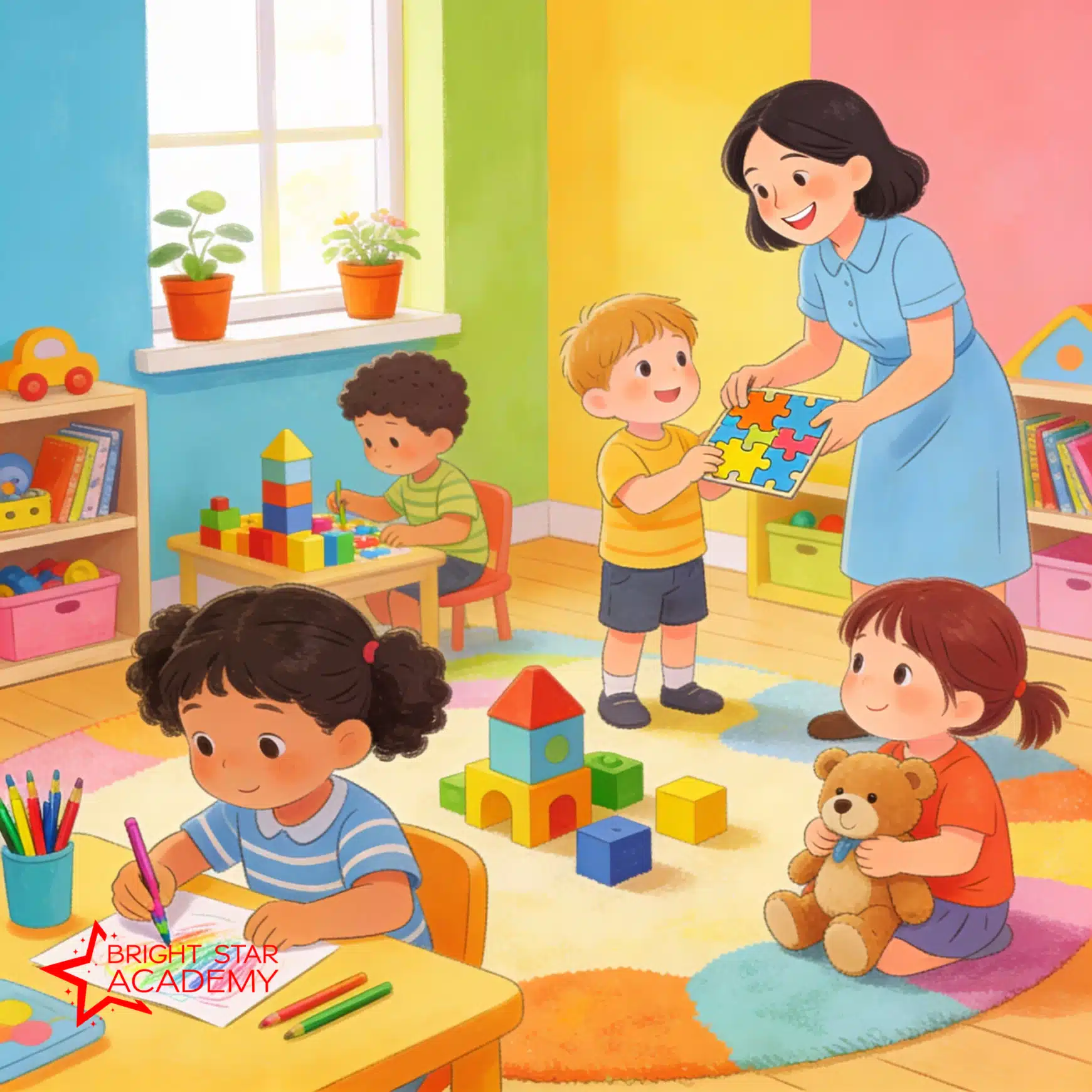
Mark your calendar for more than just the first day kindergarten begins. Orientation events, meet-the-teacher nights, and staggered entry days may occur before the official start. Some schools bring half the kindergarten class on day one and the other half on day two, giving teachers time with smaller groups initially.
Private schools and charter schools may follow different calendars than public schools. If you're considering alternatives to your neighborhood public school, verify their specific start dates. Some private schools begin a week or more before or after public school calendars.
What Time Does Kindergarten Start Daily?
Daily kindergarten hours vary by school and program type. Full-day kindergarten typically runs 6-7 hours, matching elementary school schedules. Half-day programs run 2.5-3.5 hours, either in morning or afternoon sessions. What time does kindergarten start depends on your specific school's bell schedule.
Morning start times range from 7:30 AM to 9:00 AM at most schools. Elementary schools often start earlier than middle or high schools in districts using tiered bus schedules. If your kindergarten begins at 7:45 AM, prepare for early mornings—getting a 5-year-old fed, dressed, and out the door takes longer than you'd expect.
Expert tip from Elizabeth Bokan, Acting Director: "Start practicing your school morning routine at least two weeks before kindergarten begins. Wake up at school time, go through the whole routine, and work out the kinks before they matter. Nothing derails a first day of kindergarten like a meltdown over breakfast."
Full-Day vs Half-Day Kindergarten Schedules
Full-day kindergarten has become standard in most states, though half-day programs still exist. Full-day schedules provide more instructional time, reduce transitions for working families, and allow deeper exploration of curriculum. Children typically adjust well to full days after the initial weeks.
Half-day kindergarten suits some families and children better. If your child is young for their grade, highly sensitive, or transitions poorly, half-day schedules reduce overwhelm. Working families face childcare challenges with half-day programs unless wraparound care is available—but some children genuinely need the gentler pace.
Typical Kindergarten Schedule Comparison
- Full-day: 8:00 AM - 3:00 PM (approximately 7 hours)
- Half-day AM: 8:00 AM - 11:30 AM (approximately 3.5 hours)
- Half-day PM: 12:00 PM - 3:30 PM (approximately 3.5 hours)
- Extended day programs may add hours before/after
The Kindergarten Calendar: Beyond the First Day
The kindergarten calendar includes more than just school days. Professional development days close schools while teachers train. Holidays and school breaks interrupt routines every few weeks. Early release days end school hours early for conferences or planning. Understanding the full calendar helps families plan childcare and manage expectations.

Most school years include 170-180 instructional days spread across approximately 10 months. Traditional calendars run late August/early September through late May/early June. Year-round calendars distribute breaks more evenly, with shorter but more frequent vacations throughout the year.
Plan for school closures now. Working parents need backup childcare for teacher workdays, snow days, and sick days. Build relationships with other kindergarten families who might share childcare responsibilities. Know your employer's policies on family needs before the school year begins.
| Event | Typical Timing | Parent Impact |
|---|---|---|
| First Day Kindergarten | August/September | Plan time off; emotions run high |
| Labor Day Break | Early September | School closed; childcare needed |
| Fall Break | October (varies) | 1-5 days off |
| Winter Break | Late Dec-Early Jan | 2-3 weeks off |
| Spring Break | March/April | 1 week off |
| Last Day School | May/June | Summer childcare begins |
Preparing for When Kids Start Kindergarten
The weeks before when do kids start kindergarten feel intense for families. Transitioning from preschool or home care to public school represents a major milestone. Preparation reduces anxiety for both children and parents.

Visit the school before the first day of kindergarten if possible. Walk through hallways, find the bathroom, meet the teacher. Familiarity reduces first-day anxiety. Many schools offer summer orientation events or allow individual visits by appointment—take advantage of these opportunities.
Practice the commute at school time. Whether walking, driving, or busing, know how long it actually takes during morning traffic. Identify where to drop off and pick up. If your child will ride a bus, find out the stop location and timing. Practice waiting safely if parents won't accompany children onto campus.