"Is my child ready for kindergarten?" This question keeps parents up at night, especially those with summer or fall birthdays. Meeting the age cutoff doesn't automatically mean a child is ready—and being ready doesn't always align with being age-eligible. The disconnect between calendar age and developmental readiness creates real dilemmas for families trying to make the best decision.

Kindergarten readiness involves more than calendar age. It encompasses social-emotional development, academic foundations, physical abilities, and self-help skills. A child might be 5 years old but struggle with separation anxiety. Another might seem young but possess all the skills needed to thrive. Understanding what readiness actually means helps parents make informed decisions.
This guide helps you evaluate kindergarten readiness beyond age alone, understand what screening assessments measure, and make informed decisions about when your specific child should start school.
Table of Contents
- Understanding Kindergarten Readiness Beyond Age
- The Kindergarten Readiness Checklist Parents Need
- Academic Readiness: What Should Kids Know Before Kindergarten
- Kindergarten Screening and Assessment Tests
- When Waiting Another Year Makes Sense
- Supporting Kindergarten Prep at Home
- Talking with Professionals About Readiness
- Frequently Asked Questions
Understanding Kindergarten Readiness Beyond Age
Kindergarten readiness isn't a single trait—it's a constellation of skills that help children navigate school successfully. Age provides a rough guide, but developmental variation means two children born the same week may differ dramatically in readiness. What matters isn't how old kindergarteners are, but whether they possess the capabilities kindergarten demands.
| Domain | Ready Signs | May Need More Time |
|---|---|---|
| Social-Emotional | Separates from parents; plays with peers | Extreme separation anxiety; can't share |
| Self-Regulation | Follows directions; manages transitions | Frequent meltdowns; can't wait turns |
| Pre-Academic | Recognizes some letters; counts to 10 | No letter interest; struggles with concepts |
| Physical | Holds pencil; uses scissors; toilet trained | Fine motor delays; frequent accidents |
| Communication | Speaks in sentences; expresses needs | Hard to understand; limited vocabulary |
The American Academy of Pediatrics emphasizes that readiness should drive enrollment decisions more than arbitrary cutoff dates. While states set age minimums for good reason—most 4-year-olds aren't developmentally suited for kindergarten—meeting the minimum doesn't guarantee readiness. Conversely, some children who just miss cutoffs are more prepared than older peers.
Consider what kindergarten actually requires: sitting in groups for 15-20 minutes, following multi-step directions, navigating peer relationships without constant adult mediation, managing personal needs like bathroom visits and lunch routines, and engaging with early academic content. Does your child demonstrate these capabilities in their current setting? That question matters more than their birthday.
The Kindergarten Readiness Checklist Parents Need
A kindergarten readiness checklist helps parents systematically evaluate their child's preparedness. Use this assessment honestly—wishful thinking doesn't serve children well. Consider each area separately, as strengths in one domain don't compensate for significant weaknesses in another. The goal is understanding where your child stands, not proving they're ready.
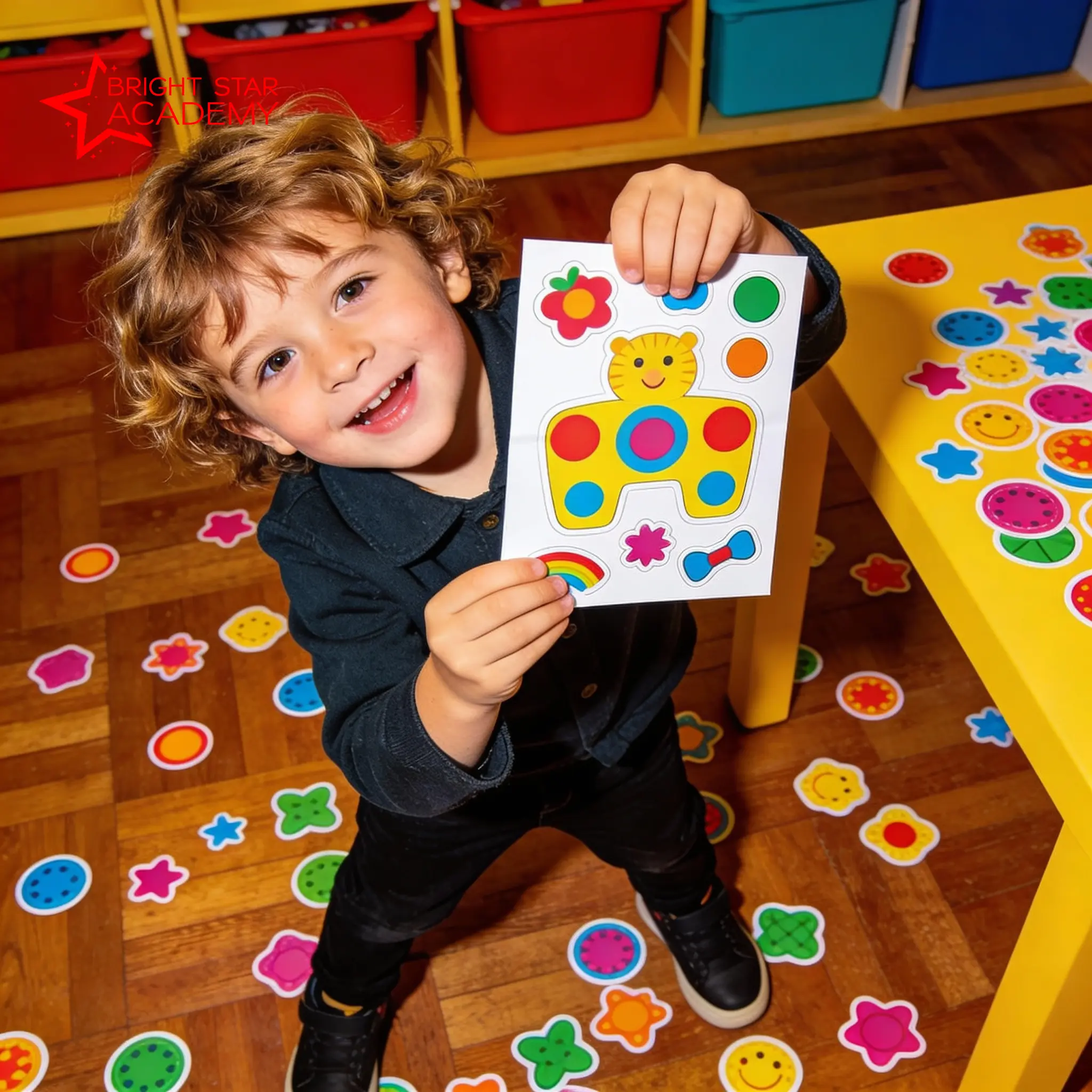
Social-Emotional Kindergarten Readiness
- Separates from parents without prolonged distress (brief sadness is normal)
- Plays cooperatively with other children at least some of the time
- Shows interest in making friends and engaging with peers
- Manages basic emotions without frequent, intense meltdowns
Expert tip from Elizabeth Bokan, Acting Director: "When parents ask 'is my child ready for kindergarten,' I focus first on social-emotional skills. A child who knows all their letters but can't handle group settings will struggle more than one who's still learning letters but navigates the classroom confidently."
Academic Readiness: What Should Kids Know Before Kindergarten
Academic expectations for kindergarten prep have increased dramatically over recent decades. Today's kindergartners encounter curriculum that looks more like first grade from previous generations. While children don't need to read before kindergarten, certain foundational skills support success and help them engage with instruction from day one.
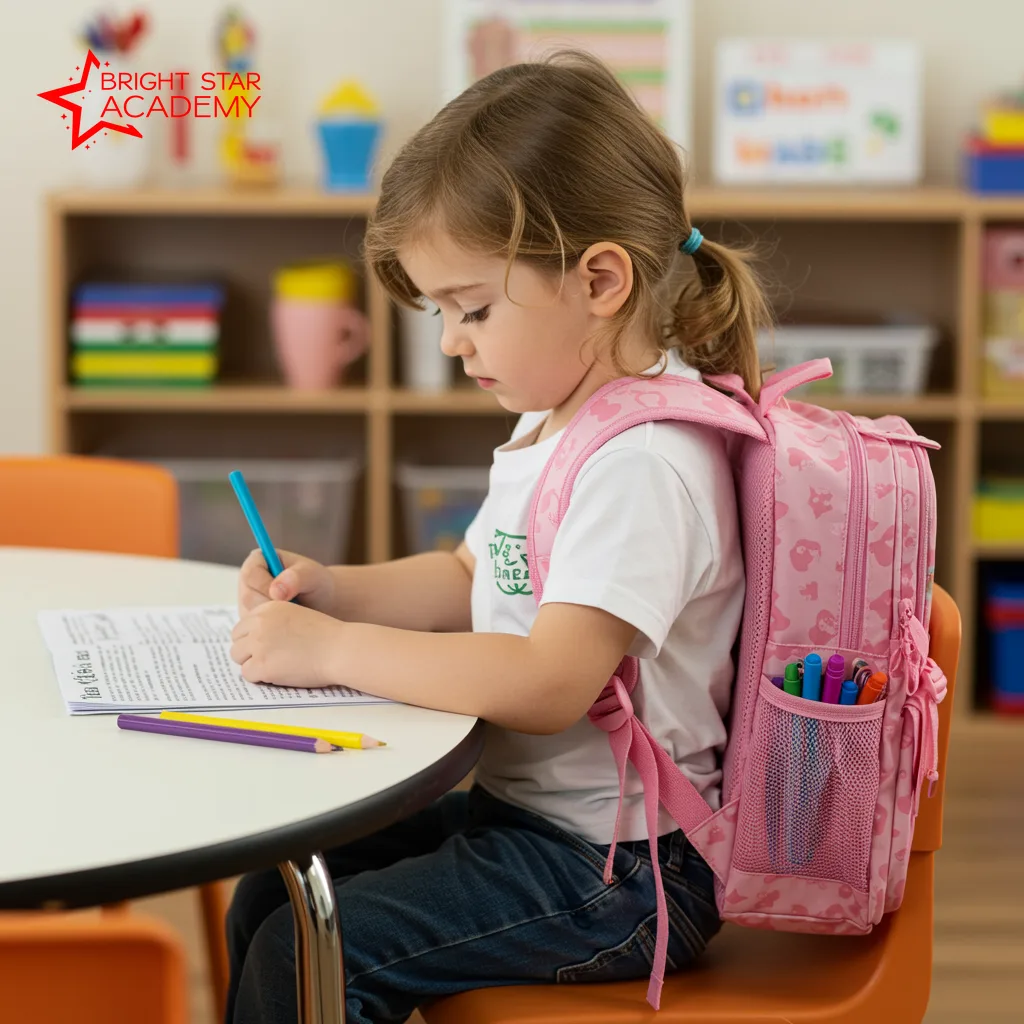
Letter recognition stands out among skills children benefit from developing before kindergarten. Recognizing and naming most uppercase letters—and ideally some lowercase—gives children a foundation for reading instruction. This doesn't mean drilling alphabet worksheets; exposure through books, songs, and play builds recognition naturally and enjoyably.
Number sense matters too. Can your child count objects to 10? Do they understand concepts like "more" and "less"? Can they recognize written numerals? Basic math readiness supports the arithmetic kindergarten introduces. Again, playful exposure works better than formal instruction for this age group. Count stairs, crackers, and toys throughout daily life.
Kindergarten Screening and Assessment Tests
Many schools conduct kindergarten screening or kindergarten assessment tests before or shortly after enrollment. These assessments help teachers understand incoming students' skill levels and identify children who may need additional support. They're informational tools, not gatekeeping mechanisms—kindergarten readiness assessment results rarely determine enrollment eligibility.
Typical kindergarten screening evaluates letter and number recognition, shape and color identification, ability to follow simple directions, fine motor skills like drawing and cutting, basic vocabulary and communication, and sometimes social interaction during group activities. Tests like the Gesell Developmental Assessment or Bracken School Readiness Assessment are commonly used.

Don't stress about kindergarten screening. These assessments provide snapshots, not definitive judgments. Children have off days, testing conditions vary, and many skills develop rapidly during the kindergarten year. If screening identifies concerns, schools typically offer support rather than denying enrollment. The purpose is helping children succeed, not excluding them.
| Skill Area | What's Assessed | How to Support |
|---|---|---|
| Letter Knowledge | Names letters; knows sounds | Read alphabet books; play letter games |
| Number Concepts | Counts; recognizes numerals | Count objects daily; number books |
| Fine Motor | Pencil grip; cuts with scissors | Coloring; playdough; practice cutting |
| Following Directions | Multi-step instructions | Give 2-3 step directions at home |
When Waiting Another Year Makes Sense
Sometimes the answer to "is my child ready for kindergarten" is "not yet." Delaying kindergarten—often called academic redshirting—makes sense in specific situations. Children with summer or fall birthdays who would be among the youngest in their class are most commonly held back, but age alone shouldn't drive the decision. Individual development matters more.
Consider delaying if your child shows significant developmental delays in multiple areas, struggles with basic self-regulation to a degree that would disrupt classroom learning, has extreme separation anxiety that hasn't improved with support, or has medical or developmental conditions that would benefit from another year of growth and intervention.
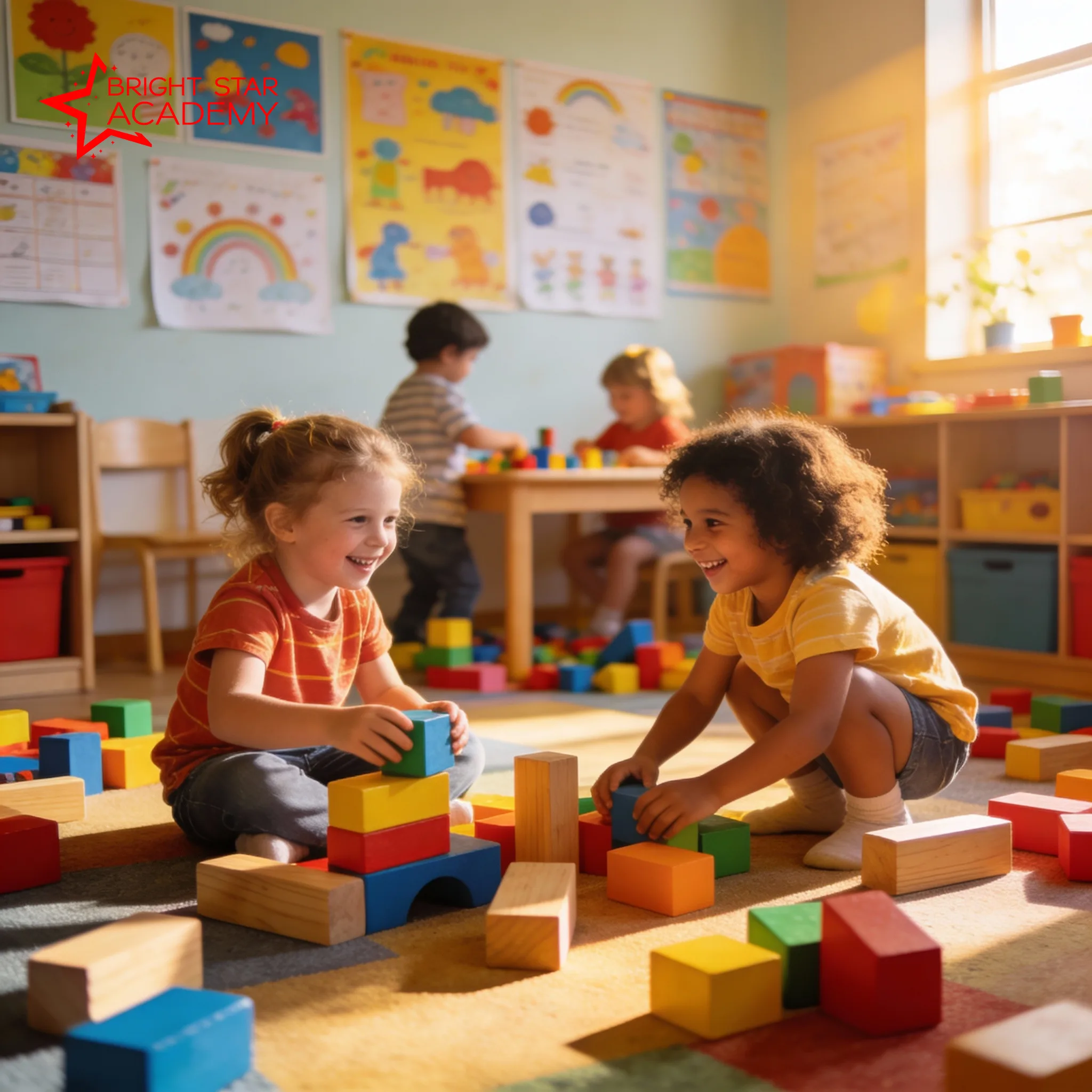
Don't delay solely because your child is young for their grade or because you want athletic or academic advantages. Research shows redshirting benefits fade by middle school, and being the oldest in class has its own challenges—including greater likelihood of boredom and behavioral issues. Base decisions on genuine developmental needs, not competitive positioning.
Supporting Kindergarten Prep at Home
Kindergarten prep doesn't require formal curriculum or expensive programs. Everyday activities build readiness effectively. Reading together daily develops vocabulary, comprehension, and a love of learning that serves children throughout their education. Counting objects during errands builds number sense. Drawing and playing with playdough strengthen fine motor skills needed for writing.
Practice independence skills throughout daily routines. Can your child put on their own shoes and coat? Use the bathroom independently? Open their lunch containers? These practical abilities matter as much as academic skills in kindergarten settings. Teachers appreciate children who can manage their own belongings and personal needs.
Build stamina for school days gradually. If your child currently naps, phase it out before kindergarten starts. Practice sitting for short periods doing focused activities. Build up to the physical and mental endurance a school day requires. This preparation helps children succeed during actual kindergarten routines.
Talking with Professionals About Readiness
Your child's preschool teachers observe them in group settings daily—ask for their kindergarten readiness assessment. Do they think your child is prepared? What areas might need support? Teachers often provide valuable perspective parents don't have from home observations alone. They see how your child functions among peers.
Pediatricians can assess developmental milestones and identify concerns that might affect school readiness. Share your questions at well-child visits. If significant delays exist, early intervention services or developmental evaluations may help clarify what support your child needs before or during kindergarten.
The receiving kindergarten can sometimes provide guidance too. Many schools offer spring assessments or meetings where teachers evaluate incoming students and share observations with parents. Take advantage of these opportunities to get professional input on your child's readiness from people who know kindergarten expectations well.