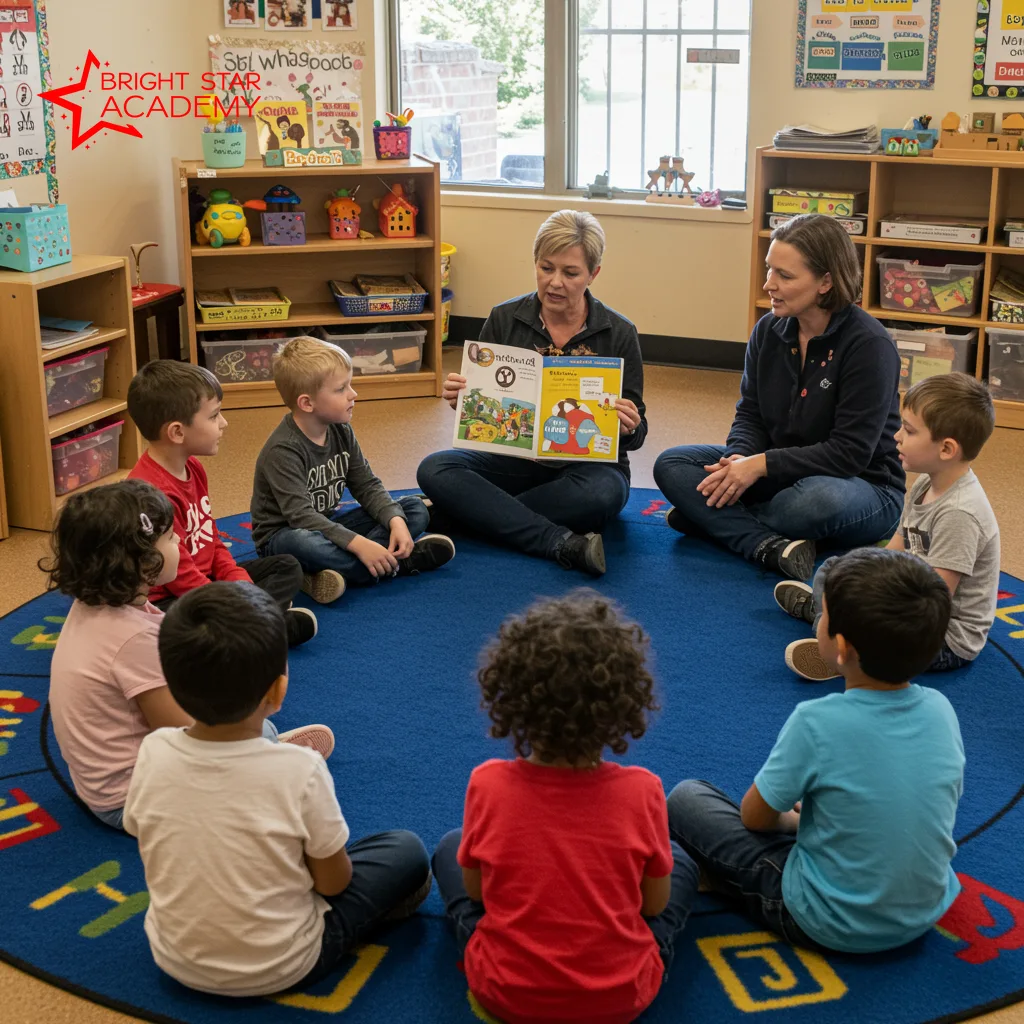
The distinction between pre-K and kindergarten confuses many parents. Both serve young children in school-like settings, but they target different ages, serve different purposes, and follow different structures. Understanding pre kindergarten age requirements versus kindergarten age helps families plan educational pathways and make informed enrollment decisions.
Pre-kindergarten—sometimes called pre-K, preschool, or nursery school—typically serves 3 and 4-year-olds. Kindergarten serves 5-year-olds (and some 6-year-olds) in what's usually considered the first year of formal schooling. The year between them represents significant developmental growth that shapes how each program operates.
This guide clarifies what age is preschool and kindergarten, explains curriculum and approach differences, and helps you decide which option fits your child's current stage.
Table of Contents
Pre-K vs Kindergarten Quick Comparison
| Factor | Pre-Kindergarten | Kindergarten |
|---|---|---|
| Typical Age | 3-4 years old | 5-6 years old |
| Setting | Varied (private, Head Start, school) | Usually public elementary school |
| Cost | Often tuition-based; some free options | Free public education |
| Focus | School readiness; social-emotional growth | Academic foundations; reading/math |
| Required? | No (voluntary) | Varies by state (many require) |
What Age is Pre Kindergarten?
Pre kindergarten age typically means 4 years old, though some programs serve 3-year-olds too. Children usually need to turn 4 by a specific cutoff date—often September 1—to enroll in pre-K for that school year. The exact age requirements vary by program and state, so checking specific eligibility matters.
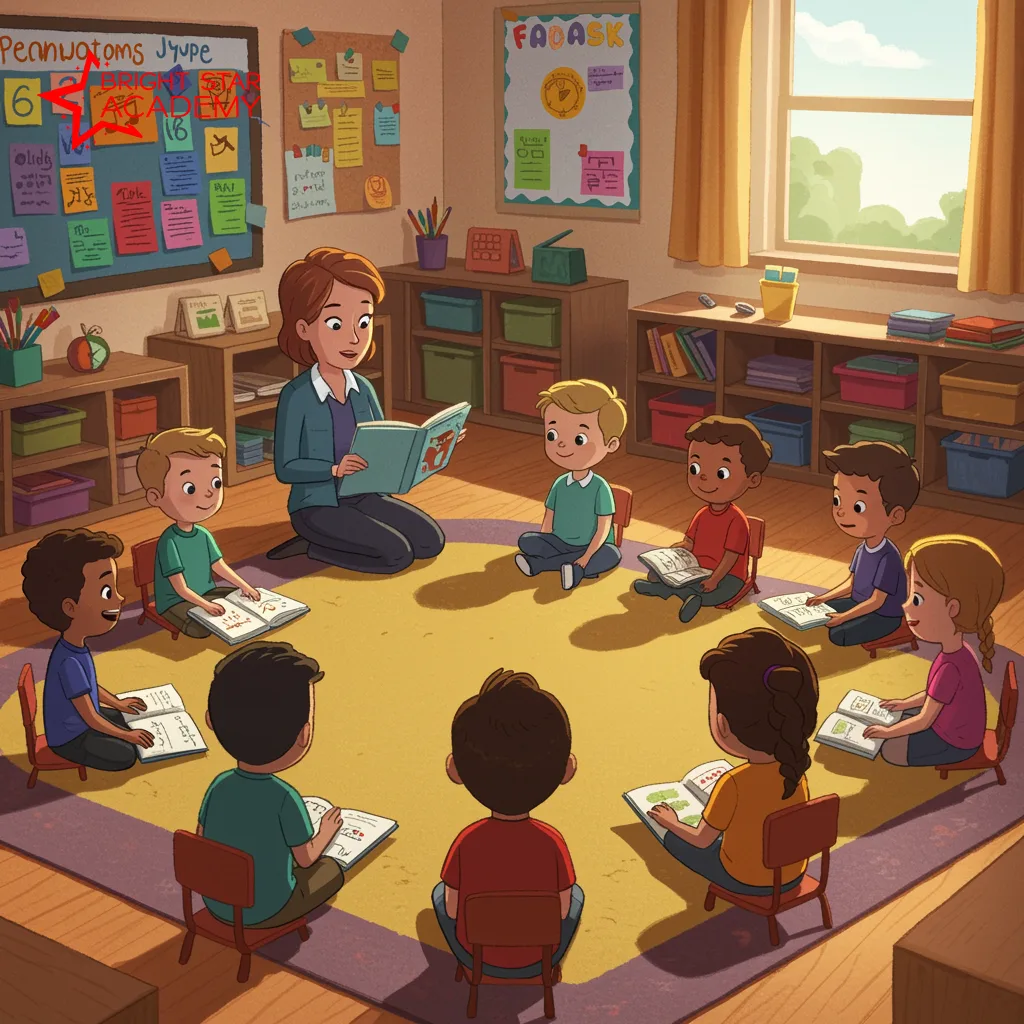
What is pre kindergarten designed for? Pre-K programs focus on preparing children for the structure and expectations of formal schooling. They build foundational skills through play-based learning: letter awareness, number sense, social skills, and self-regulation. The goal is kindergarten readiness, not kindergarten curriculum.
Pre-K programs operate in various settings—public schools, private preschools, childcare centers, and Head Start locations. Quality and approach vary significantly between providers. Some emphasize academics heavily; others prioritize play and social development. Understanding your options helps match programs to your child's needs.
Types of Pre-Kindergarten Programs
State-funded pre-K programs serve eligible families at no cost. Many states now offer universal pre-K for all 4-year-olds; others target low-income families or those with risk factors. Head Start, the federal program, provides comprehensive pre-K services including health and nutrition support for income-eligible families.
Private pre-K and preschool programs charge tuition but offer flexibility in philosophy and approach. Montessori, Waldorf, Reggio Emilia, and play-based programs represent different educational philosophies. Faith-based programs integrate religious instruction. The variety allows families to choose approaches matching their values.
Understanding Preschool vs Kindergarten Age Differences
The developmental gap between what age is preschool (3-4) and kindergarten (5-6) is enormous. Four-year-olds are consolidating their sense of self, learning to play cooperatively, and beginning to understand symbols like letters and numbers. Five-year-olds can sustain attention longer, follow complex directions, and engage with abstract concepts.

This developmental difference shapes how each program operates. Pre-K classrooms expect shorter attention spans, more physical movement, and greater need for adult support during social interactions. Kindergarten expects children to sit longer, work more independently, and manage classroom routines with less direct guidance.
Expert tip from Elizabeth Bokan, Acting Director: "Parents sometimes worry their 4-year-old isn't learning enough in play-based pre-K. But that play IS learning. The social-emotional skills developed through play predict school success better than early academics. Trust the process."
Academic Expectations: Pre-K vs Kindergarten
What should kids know before kindergarten versus what kindergarten teaches? Pre-K introduces letters and numbers through exposure and play; kindergarten provides systematic instruction. Pre-K builds print awareness; kindergarten teaches phonics and sight words. Pre-K develops number sense; kindergarten teaches counting to 100 and basic operations.
Pre-kindergarten assessment focuses on developmental milestones: Can the child follow two-step directions? Do they show interest in books? Can they count small groups of objects? These skills prepare children for kindergarten's more formal academic expectations rather than measuring academic achievement.
Kindergarten today looks more academic than previous generations remember. Children are expected to exit knowing sight words, basic reading strategies, addition and subtraction concepts, and writing simple sentences. The intensity surprises many parents. Pre-K provides crucial preparation for these expectations.
| Question to Ask | Why It Matters |
|---|---|
| What's the balance of play vs structured learning? | Philosophy match with your values |
| What are teacher qualifications? | Training affects instruction quality |
| What's the student-to-teacher ratio? | Lower ratios mean more individual attention |
| How do you prepare kids for kindergarten? | Explicit kindergarten transition support |
Making the Pre-K vs Kindergarten Decision
If your child meets kindergarten age requirements, you're choosing between starting kindergarten or doing another year of pre-K (often through redshirting). If your child is 4 and won't meet cutoffs, the question is whether to enroll in pre-K at all and which type to choose.
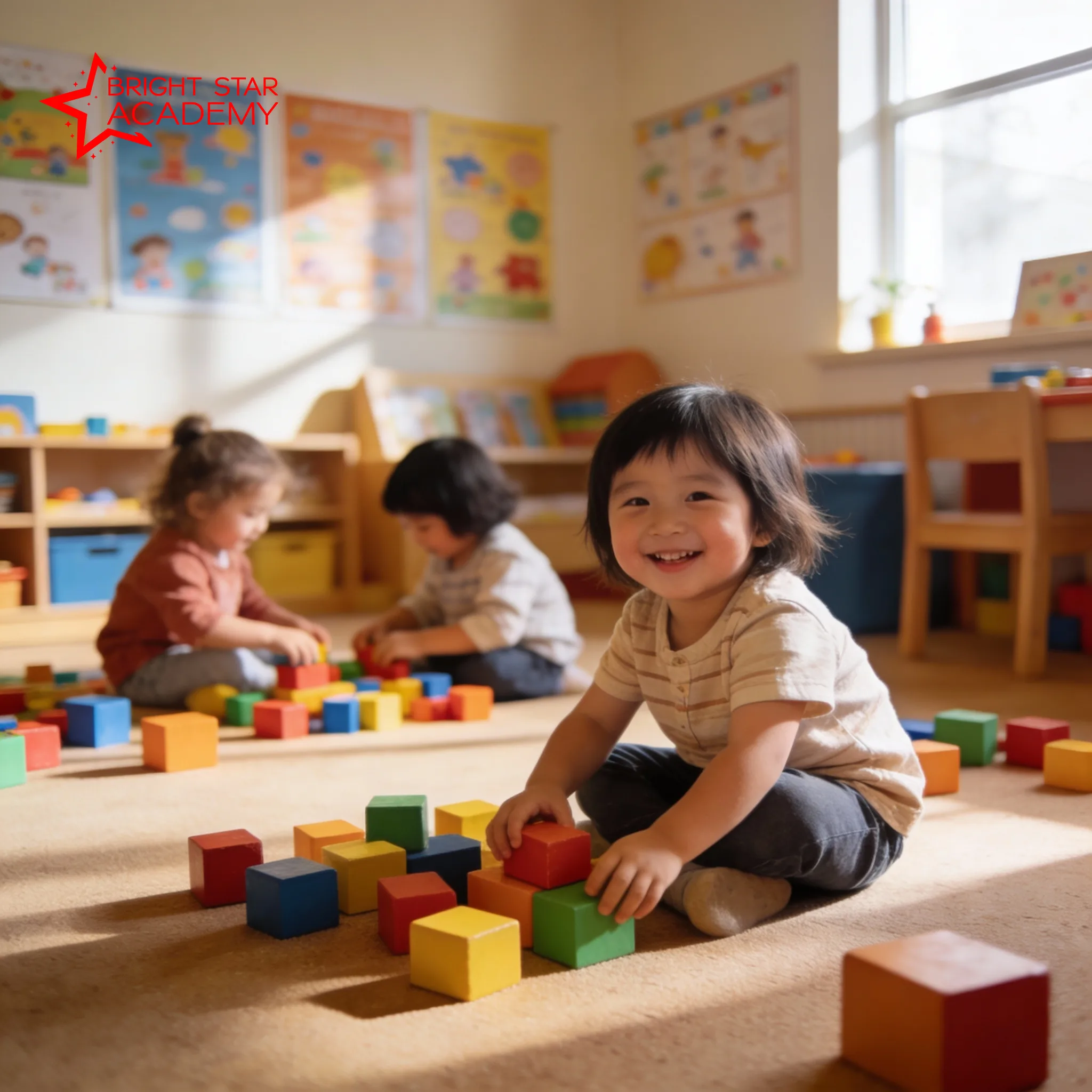
Children who benefit most from pre-K include those without prior group experience, those who need additional social-emotional development time, and those whose families can't provide rich learning environments at home. High-quality pre-K levels the playing field, especially for children from disadvantaged backgrounds.
Not every child needs formal pre-K. Children in nurturing home environments with engaged caregivers, exposure to books, and opportunities for peer interaction may arrive at kindergarten equally prepared. The research shows high-quality pre-K helps most, but quality varies enormously between programs.